
The Invisible Power Plants Reshaping the Grid
The electric grid is changing faster than at any point in the last century. As electrification accelerates and more renewable energy comes online, utilities are facing a new challenge: how to keep the grid reliable while managing a rapidly growing number of distributed energy resources.
One of the most promising solutions emerging to meet this challenge is the Virtual Power Plant (VPP).
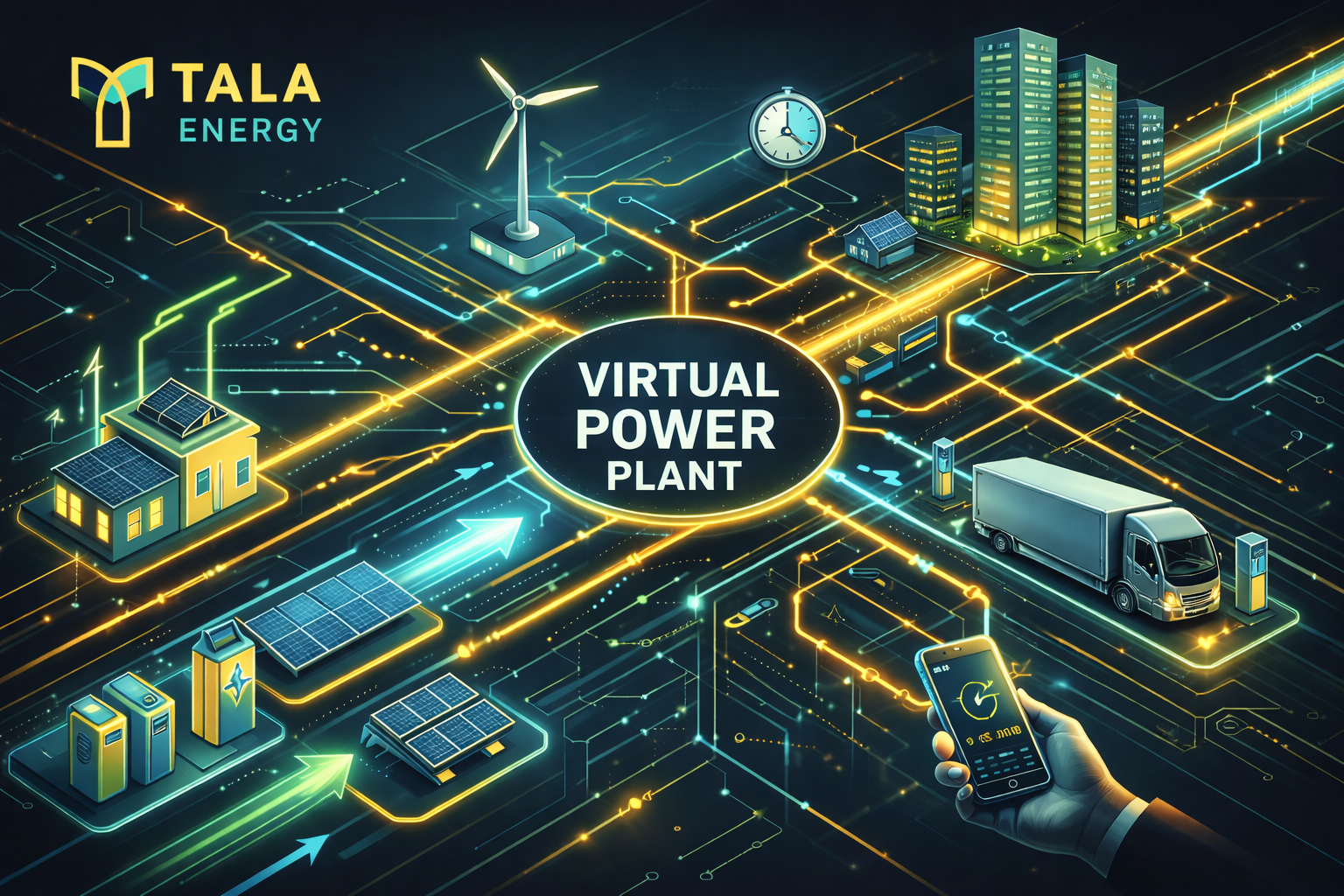
Virtual Power Plant
Unlike traditional power plants, a virtual power plant doesn’t exist in a single physical location. Instead, it is a coordinated network of distributed energy resources—such as batteries, solar panels, electric vehicles, smart thermostats, and flexible loads—that are orchestrated to operate like a single power plant.
When connected and managed intelligently, these distributed resources can deliver real grid services: reducing peak demand, balancing renewable variability, and supporting reliability.
From Centralized Generation to Distributed Coordination
For more than a century, electricity systems were designed around centralized power plants sending electricity outward to customers. Coal plants, natural gas plants, nuclear facilities, and large hydro projects were the backbone of the system.
But that model is shifting.
Today, millions of homes and businesses are becoming energy producers and flexible energy users. Rooftop solar systems generate power locally. Home batteries store electricity. Electric vehicles represent massive mobile energy storage. Smart devices—from thermostats to water heaters—can shift energy consumption in response to grid conditions.
Individually, each device may seem small. But collectively, they represent enormous potential.
A virtual power plant brings these resources together and coordinates them through software platforms that allow them to respond to grid needs in real time.
What Makes a Virtual Power Plant “Virtual”?
The term “virtual” simply reflects that the power plant is not located in one place. Instead, it is made up of thousands—or sometimes hundreds of thousands—of distributed assets that are aggregated and controlled through digital platforms.
A VPP operator can dispatch these assets much like a traditional power plant operator would.
For example:
Batteries can discharge during peak demand.
Smart thermostats can slightly adjust cooling loads during grid stress events.
Electric vehicles can delay charging or even provide power back to the grid.
Water heaters can store thermal energy when renewable generation is abundant.
Through coordinated control, the aggregated resources can provide capacity, energy, and ancillary services to the grid.
Why Virtual Power Plants Are Gaining Momentum
There are several powerful forces driving the growth of virtual power plants.
1. Electrification is increasing grid demand.
Transportation, buildings, and industrial processes are electrifying rapidly, increasing electricity consumption in many regions.
2. Renewable energy introduces variability.
Solar and wind generation fluctuate with weather conditions, creating new balancing challenges for grid operators.
3. Distributed resources are growing rapidly.
Millions of batteries, EVs, and smart devices are being installed every year.
4. Grid infrastructure is expensive to expand.
Transmission and distribution upgrades can take years and cost billions. VPPs can often provide flexibility faster and at lower cost.
Instead of building new peaking power plants, utilities and grid operators can tap into the flexibility already sitting behind the meter.
The Role of Utilities in the VPP Ecosystem
While technology companies and aggregators often lead early VPP deployments, utilities play a critical role in scaling these systems.
Utilities have visibility into local grid conditions, customer relationships, and regulatory obligations tied to reliability and equity. As VPPs expand, successful models often involve collaboration between utilities, technology platforms, and customers.
Utilities may:
Integrate VPPs into distribution planning
Procure flexibility through programs or markets
Enable interconnection standards and communication protocols
Design customer programs that allow participation in grid services
As these programs mature, VPPs can become an integral part of the grid’s operational toolkit.
The Customer Opportunity
One of the most exciting aspects of virtual power plants is the opportunity for customers to participate directly in the energy system.
Instead of simply consuming electricity, customers can provide valuable services to the grid.
This might include:
Enrolling home batteries in a grid services program
Allowing smart thermostats to participate in demand response
Enabling EV charging flexibility
Participating in community energy programs
In return, customers may receive financial incentives, bill credits, or improved resilience.
The result is a more interactive and participatory energy system.
The Path Forward
Virtual power plants are still evolving. There are important challenges to address, including interoperability, data standards, market design, and regulatory frameworks.
But the direction is clear.
As distributed energy resources continue to grow, the grid will increasingly rely on coordination rather than centralized control. Virtual power plants represent a powerful way to unlock flexibility, improve reliability, and accelerate the transition to a more distributed energy future.
The power plants of tomorrow may not be massive industrial facilities on the edge of town.
They may be the homes, businesses, vehicles, and devices already connected to the grid—working together through software to deliver energy when and where it’s needed.
